

How Jamaican workers became the backbone of a Multi-State Orchard
“Without this relationship, it would be very difficult to do what we do.”
That’s how Alisha Albinder, fourth-generation owner of Hudson River Fruit Distributors, describes her family’s partnership with Jamaica’s farmwork programme.
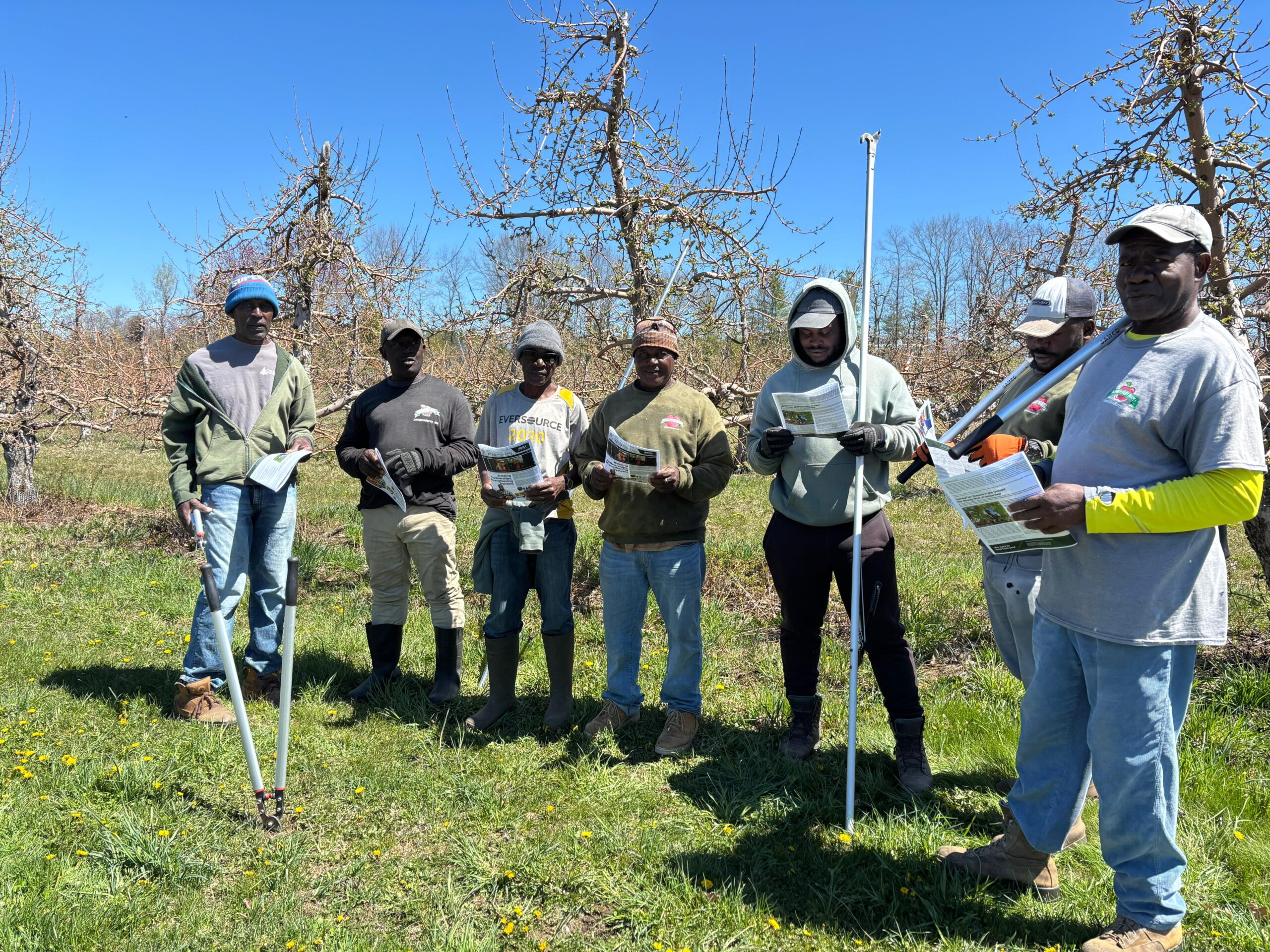
What sets the Jamaican programme apart? According to Albinder, it’s the reliability, professionalism, and legacy-minded workers, many of whom return season after season and even introduce their sons and relatives to the opportunity. But above all, it’s the unmatched support of the Jamaican Liaison Service.
“One of the most valuable aspects of the programme is the support provided by the Jamaican Central Labour Organisation,” Albinder notes. “They’re responsive, proactive, and deeply involved in the well-being of the workers.”
Whether it’s resolving logistical issues, handling documentation like U.S. Social Security, or preventing problems before they escalate, the JCLO’s engagement model has built trust with employers like the Hudson River Fruit Distributors, who made Jamaica the first call for new growers exploring the H-2A programme.
Some Jamaican workers have even gained DEC pesticide certification, through a rigorous exam that most U.S. locals find challenging, highlighting just how skilled and dedicated these individuals are.
Many of these workers have developed lifelong friendships with their employers, sharing meals, holidays, and family milestones. The cultural exchange enriches both sides, with Jamaican workers bringing warmth, discipline, and resilience, values that now define the orchard’s work culture.
The Albinders are not alone. Across the U.S. northeast, growers cite Jamaica’s farmworkers as setting the gold standard for seasonal labour. Their presence has made orchards more stable, operations more efficient, and workforce planning more predictable.
Yet this success is no accident. It is the product of careful policy stewardship by the Jamaican Government and the Ministry of Labour and Social Security, which have prioritised recruitment standards, worker welfare, and employer engagement. Psychometric testing, pre-departure training, and close liaison monitoring have become hallmarks of Jamaica’s modern approach to overseas employment.
Share this article
Other articles

August 31, 2026

June 2, 2026
May 7, 2026

May 7, 2026

April 14, 2026

April 14, 2026
April 14, 2026


