

No Fees, No Debt: How Jamaica Rewrote the Rules of Farm Work Abroad
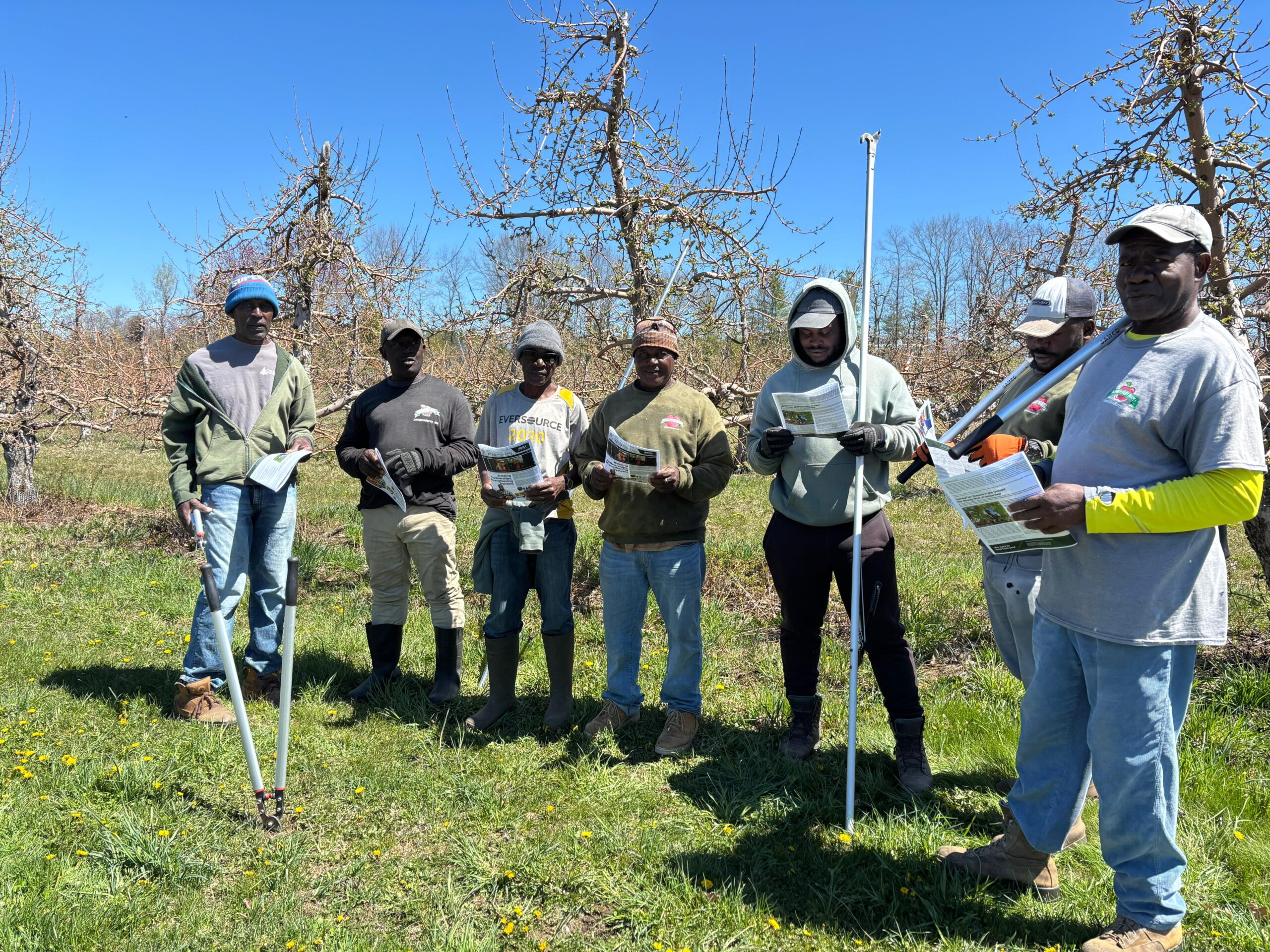
On a humid morning inside the Ministry of Labour’s modest downtown office, rows of men in pressed shirts and worn caps wait for their names to be called. Some have worked the orchards of New York and Michigan for decades. Others are leaving home for the first time. What unites them is a promise few migrant labourers around the world can count on: they will not pay a cent to secure their jobs.
“A unique aspect of partnering with the Government of Jamaica is its liaison service, which no other country offers,” a senior official explained. “This service provides a valuable benefit, ensuring the welfare of workers. Additionally, the Government does not charge for our services, and workers are not required to pay any fees to participate in the programme.”
That quiet distinction has become one of Jamaica’s strongest moral exports. While recruiters elsewhere often charge thousands in placement and processing fees, debts that can take workers years to repay, Jamaica’s model turns the logic of labour migration inside out. The state, not private agents, facilitates recruitment, transportation, and welfare oversight through the Jamaica Central Labour Organisation.
Labor economists and the IOM call it ethical recruitment. The policy also highlights Jamaica as a rare kind of trust. American growers say the island’s system ensures reliability; workers say it ensures fairness. Liaison officers, stationed in major farming states, visit job sites checking on the welfare or workers. A presence many employers quietly welcome. “If something goes wrong, a worker gets sick, they have no family support here….we can call the liaison officer someone answers, someone is there to guide and offer support to workers” said a Vermont orchard manager who has hired Jamaican crews for twenty-five years. “That’s not normal in this business.”
The approach isn’t cheap for the government, which covers administrative costs most nations shift to contractors or brokers. But the payoff, officials argue, is reputational. “We’ve protected our workers and built a brand,” one liaison officer said. “When an employer says they want Jamaican labour, it’s because they know we stand behind our people.”
In an era when migration stories are so often tales of exploitation, Jamaica’s programme reads almost old-fashioned: orderly, state-run, paternal in parts, but grounded in the belief that a country’s labour force is still its citizens, not its commodity.
As the line of workers shuffles forward, passports in hand, the promise endures, a decent living derived from decent work.
Share this article
Other articles

August 31, 2026

June 2, 2026
May 7, 2026

May 7, 2026

April 14, 2026

April 14, 2026
April 14, 2026


