

From Vermont to Jamaica, a Sunrise After the Storm
The storm had already moved on when the response began to take shape, quietly and deliberately, far from Jamaica’s shores.
In Vermont, farmers, church groups, and long-time partners of Jamaican farm workers gathered supplies with a single purpose: to help families rebuild after the storm. Within weeks, a 40-foot container was filled with roofing materials, tools, bedding, generators, and food, then shipped south. It arrived in Jamaica only days later, ready for distribution.
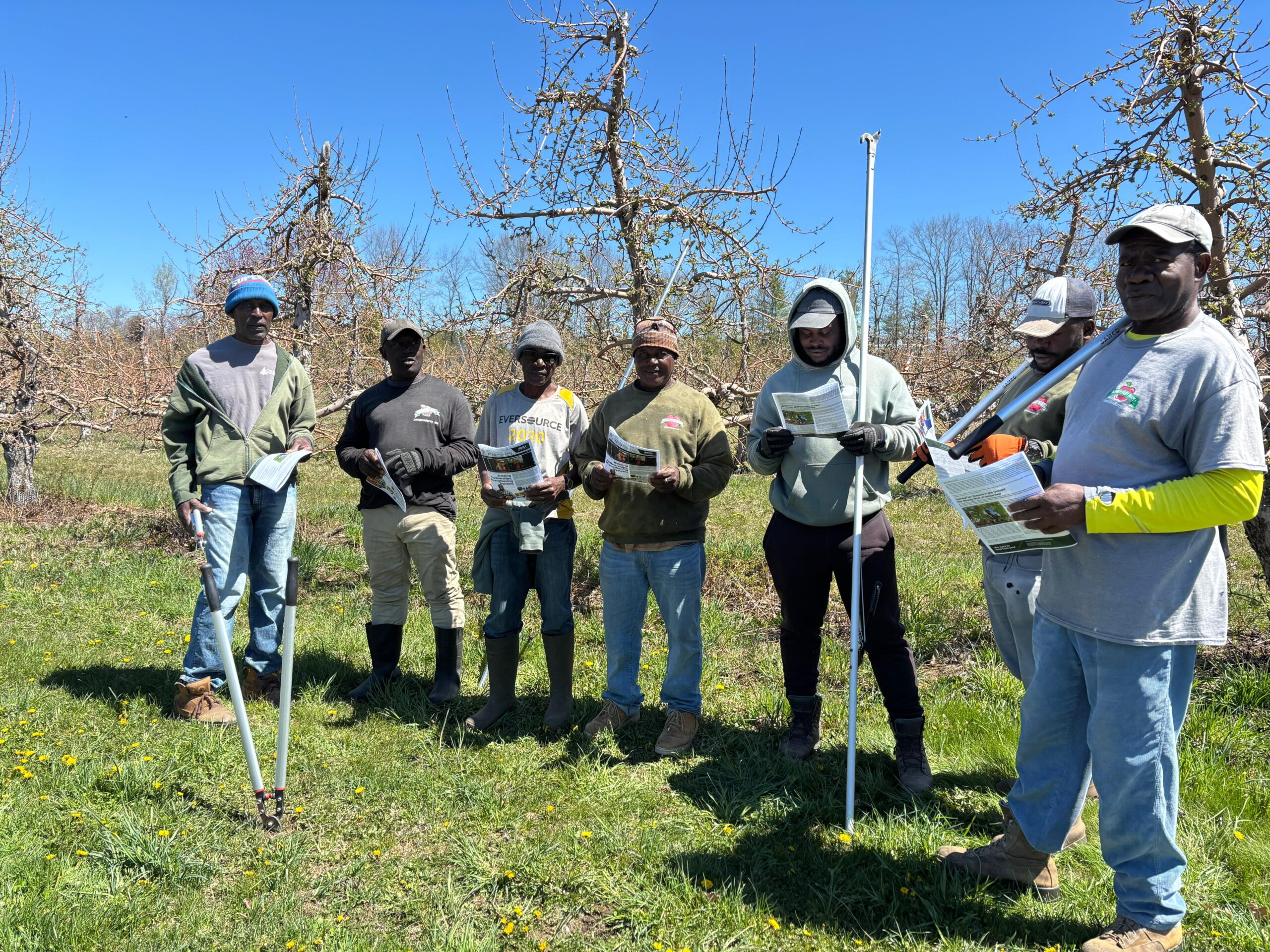
At the centre of the effort was Barney Hodges, owner of Sunrise Orchards, whose family has employed Jamaican farm workers since 1942. Some of the men now receiving assistance have worked on the farm since the mid-1980s. Today, their sons and nephews work alongside them.
“My family has employed Jamaican workers since 1942,” Mr. Hodges said. “Some of the men we are supporting today have worked on our farm since 1985 and 1986. Now their sons and nephews work alongside them.”
The shipment was not symbolic. It was precise. About 35 Jamaican workers and their families are receiving direct support, including food, relief supplies, tools, bedding, roofing, and other building materials, all transported in a single container that arrived just days ago and is now being distributed.
“What you see in these bins is practical help,” Mr. Hodges said. “Things that help families rebuild their homes and steady their lives after the storm.”
The effort was powered by community fundraising in Vermont, which raised approximately US$95,000, about J$15 million. The funds were converted into materials selected for immediate impact, allowing families to repair homes, restore stability, and return to work.

Barney Hodges, owner of Sunrise Orchards, flanked by two Jamaican workers
Each year, thousands of Jamaicans participate in overseas agricultural employment, particularly in the United States and Canada. The programme, which predates modern labour agreements, has become one of Jamaica’s most enduring migration systems, linking rural communities on both sides of the border through decades of shared work.
In this instance, the delivery and distribution of assistance were facilitated through coordination with the Government of Jamaica, led by the Ministry of Labour and Social Security and its overseas employment framework. Government officials worked with partners to support logistics, coordination, and timely clearance, helping to ensure the supplies reached intended recipients without delay.
“The impact of our Jamaican people has inspired others to stand with us,” said the Hon. Pearnell Charles Jr., Minister of Labour and Social Security. “What we are seeing here is the value of long-standing relationships built on trust.”
He also urged other employers who benefit from Jamaican labour to step forward, noting that recovery requires sustained commitment.
“This is a marathon, not a sprint,” the Minister said. “We are calling on more of our overseas partners, particularly farmers who have benefited from the dedication of Jamaican workers, to follow this example and stand with these families as recovery continues.”
Colette Roberts Risden, Permanent Secretary on Special Assignment with the Jamaica Overseas Employment Programmes, said the response demonstrates what is possible when labour systems are built with people at their centre.
“Our role goes beyond placement,” she said. “It includes safeguarding workers and supporting families when they are most vulnerable. The networks built through these programmes allowed this support to move quickly and reach people where it matters most.”
Across affected areas, the impact is already visible. Roofs that might have remained exposed through another rainy season are being repaired. Families have bedding again. Tools are allowing workers to return to productive activity rather than waiting for assistance.
In Vermont, organisers say the response required little persuasion.
“These are people we know,” said one supporter involved in the fundraising. “They harvest our crops. They are part of our lives. When the storm hit, helping them was instinctive.”
As Jamaica continues its recovery, the container from Vermont offers a counterpoint to disaster narratives focused solely on loss. It tells a quieter story, rooted in continuity and shared responsibility.
It is the story of work done faithfully over generations, and returned, without fanfare, when it mattered most.
Share this article
Other articles

August 31, 2026

June 2, 2026
May 7, 2026

May 7, 2026
April 14, 2026

April 14, 2026
April 14, 2026


