
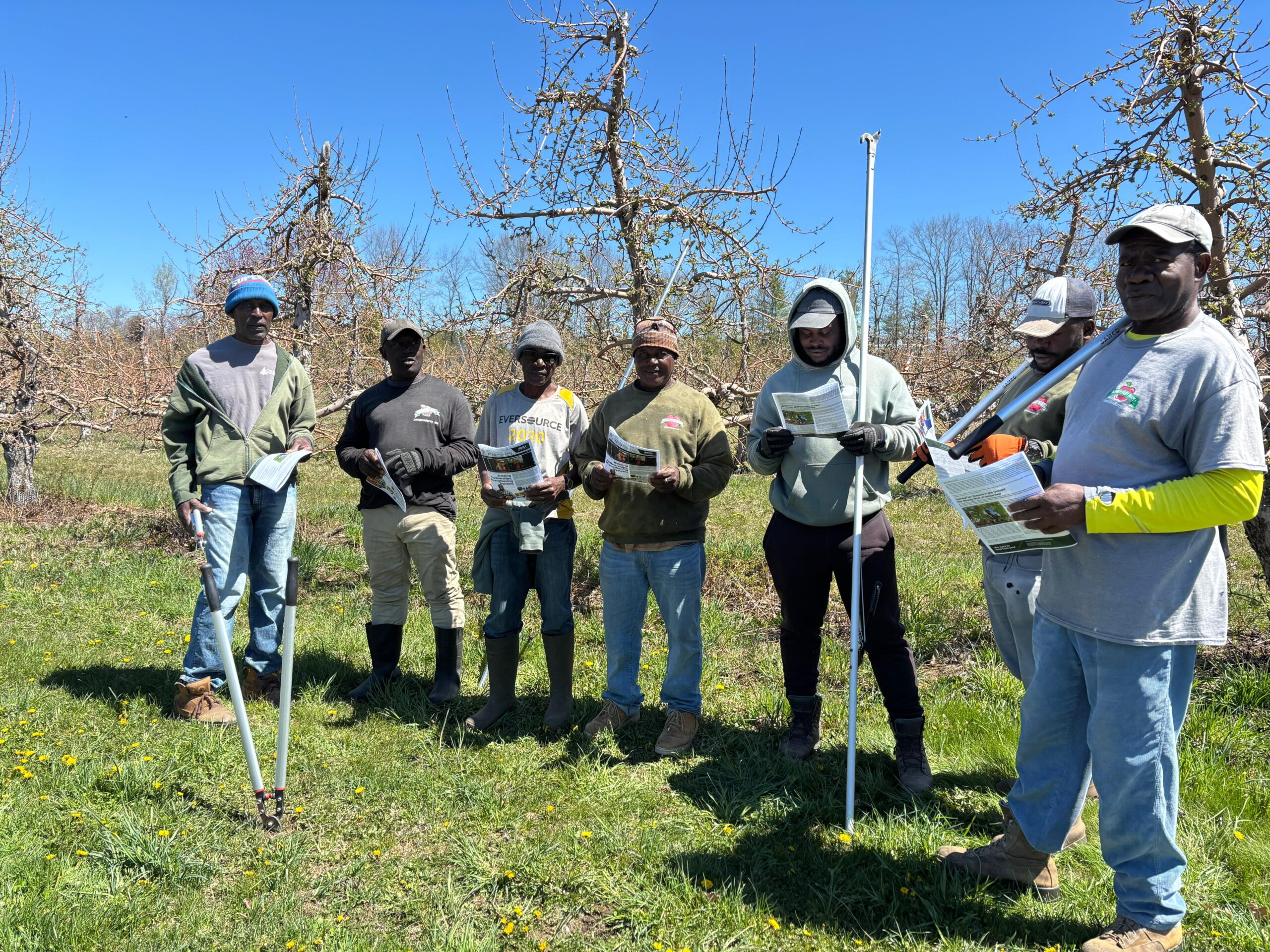
The Workers Employers Ask For by Name
In the H-2B programme, some workers return season after season at the request of their employers. These requests are not based on familiarity alone, but on performance that has been tested and proven over time. In environments where timing, standards, and consistency matter, reliability becomes a defining advantage. Over time, that reliability turns into trust, and trust shapes who is called back.
In most workplaces, performance is measured.
In the H-2B programme, it is remembered.
Across hospitality, landscaping, and service operations in the United States, a pattern has emerged. Employers do not simply request workers. They request specific workers, individuals whose performance has already been observed and whose reliability has already been established.
“Once a worker proves themselves, employers take note,” said Gladstone Moore of Reliable Labour Services. “They’re not just looking to fill a position. They’re looking for someone they know can deliver to the standard required.”
That distinction sits at the centre of how the programme functions.
H-2B placements are structured around time, output, and coordination. Workers are expected to integrate quickly, understand the demands of the environment, and perform with consistency from the outset. Employers, in turn, depend on that consistency to maintain operations, particularly during periods of high demand.
Over time, certain workers separate themselves.
They arrive prepared. They understand the pace. They follow through on tasks without supervision and maintain the same level of performance across the duration of their placement. In environments where delays and inconsistencies carry immediate consequences, that level of reliability stands out.
“When an employer asks for a worker by name, it means that person has already proven they can meet the expectation,” Moore added. “There’s a level of confidence that comes with that.”
That confidence is not built quickly.
It is developed over time, through repeated performance and the ability to work within structured systems. Workers who are requested again are those who understand not only their role, but how that role connects to the wider operation. They recognise that their performance affects timelines, output, and the work of others around them.
For liaison officers, these patterns are clear.
“Consistency is what employers respond to,” said Kandre Leveridge. “Workers who come prepared, follow the structure, and maintain their performance are the ones who are remembered. That is what leads to repeat requests.”
That continuity benefits both sides.
For employers, it reduces uncertainty. Known workers require less adjustment, integrate faster, and maintain standards that have already been established. For workers, it creates a level of stability within a programme that is otherwise defined by movement.
The cycle becomes self-reinforcing.
Performance leads to trust. Trust leads to opportunity. Opportunity, when met with the same level of discipline, leads to return.
Not every worker is requested again.
But those who are reflect a standard that the programme depends on. They demonstrate that preparation, consistency, and accountability are not abstract expectations, but measurable outcomes that shape future placement decisions.
In H-2B, performance does not fade at the end of a contract.
It carries forward.
And in many cases, it is the reason a worker is called again.
Share this article
Other articles

August 31, 2026

June 2, 2026
May 7, 2026

May 7, 2026

April 14, 2026

April 14, 2026

April 14, 2026


