
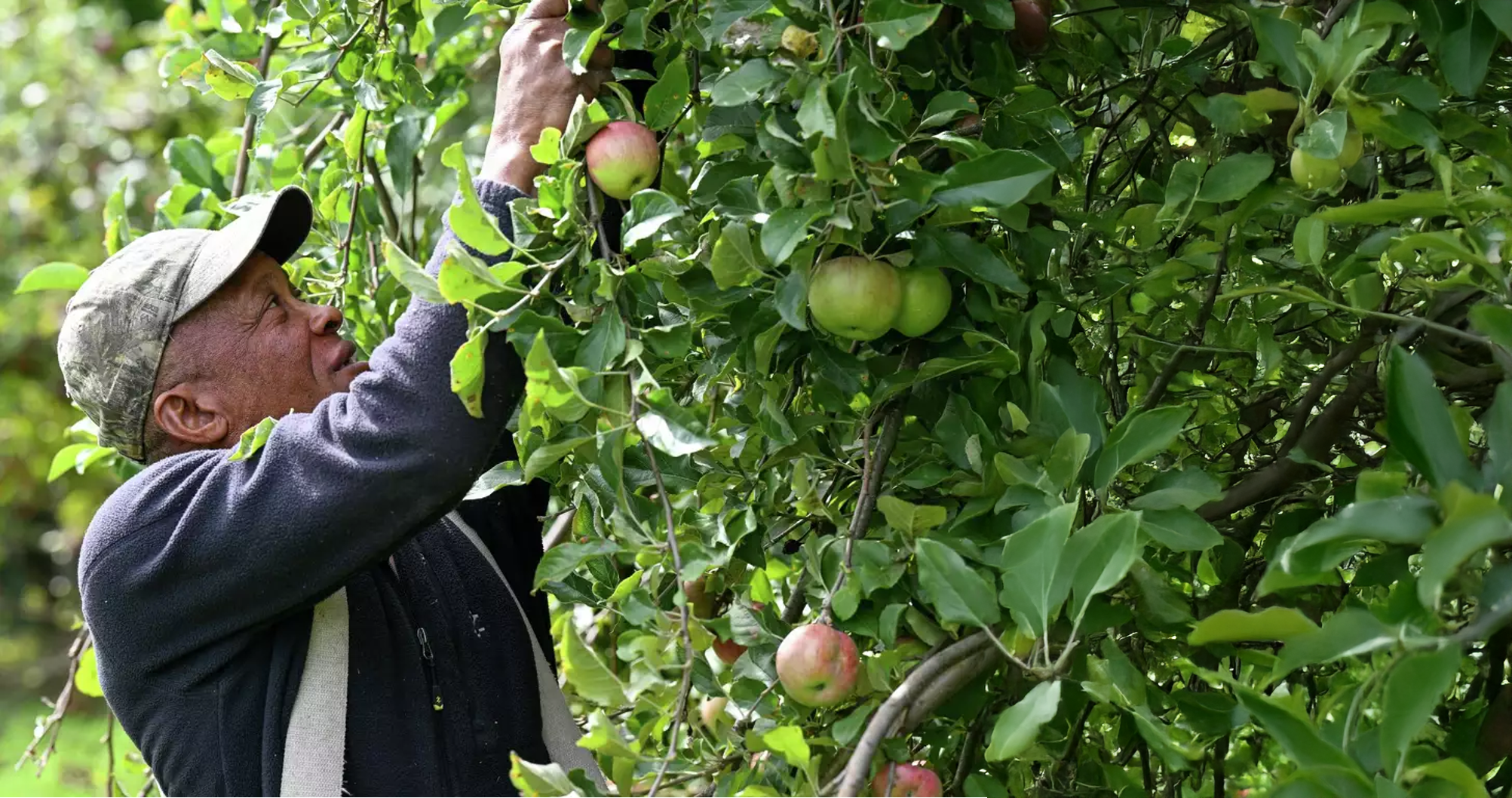
The heart behind the harvest: The Willis Newman story
Willis Newman grew up in rural Jamaica, learning to farm on his grandfather’s sugarcane land. It was there, among rows of cane under the Caribbean sun, that he first understood the rhythm of the land. Even as a boy, something about working the soil felt right,calm, purposeful. That same feeling followed him thousands of miles north to Terrace Mountain Orchard in Schoharie County, New York.
Today, at 65 years old, Willis is one of thousands of Jamaicans who travel through the Government of Jamaica, under the H-2A agricultural programme in the United States. Willis is more than a seasonal worker. He is part of the soul of this orchard, where he has worked for 18 years, after beginning his journey in the programme in 1987.
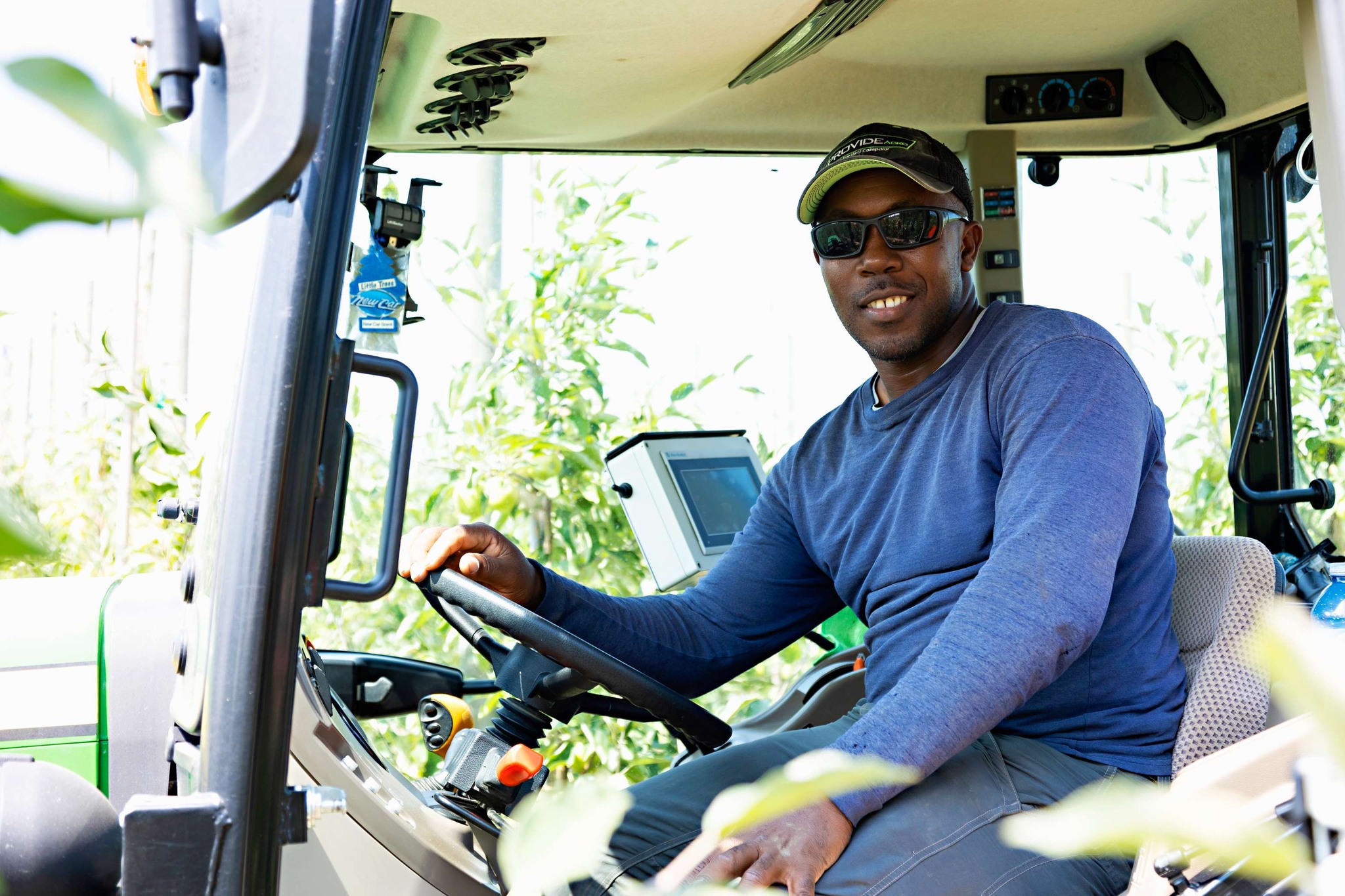
During the week, Willis tends to the apples with deliberate care. His hands know the trees, the weather, the weight of the fruit. On weekends, he becomes the face of the farm, driving the tractor for wagon rides, sharing the orchard’s story with families and school groups, answering every question with quiet pride. For many visitors, he is the only Jamaican they have ever met, yet his warmth and humility leave a lasting impression.
Off the field, Willis remains equally committed. In the small village nearby, he shops for essentials to send home to Jamaica. He emphasises how beneficial the farm work programme has been for him financially and personally. “There’s more opportunity here,” he explains. “You make much more money farming here than in Jamaica. I built my house and sent my children to school from what I earned here. But it’s the people that make it feel like home.”
Farming wasn’t always Willis’s primary career path, he was originally a tailor by trade. Reflecting on his shift to agriculture, Willis acknowledges the difficulties: “It is hard, but if you use your head good, you can get a lot out of it. I built my house and sent my children to school out of it.” His words reflect the careful wisdom of someone who has navigated life’s challenges with practical insight.
To young Jamaican farm workers eager to join the H-2A programme, Willis offers straightforward advice: “It is just a mindset. You’ve got to know what you want. It’s not an office job, so you have to work hard. Farming takes work, and you have to make up your mind to work, it’s a good job.”
Willis’ 38-year journey on the programme reflects something deeper than seasonal migration. He is a bridge between two worlds, between the plains of Clarendon and the valleys of upstate New York. He carries with him not only the skill of Jamaican agriculture but also the values of resilience, loyalty, and leadership.
He has returned to the same farm year after year, earning the respect of his peers and neighbours alike. Children in the orchard call him “Mr. Willis.” Local shopkeepers greet him by name. And each year, he returns home not only with savings, but with stories of harvests, of laughter, of the dignity that comes with honest work.
Willis also highlighted the strong relationship he has with the Jamaica Central Labour Organisation (JACLO) , points of contact- the liaison officers . He deeply appreciates the officers, who provide critical support and service. “I never really have a bad experience,” he says about these officers. “I get along with them; they come and see us. They are important, they do their job. I think they help the programme. If the Government should stop it, I don’t know what we would do.”
In an era where migrant labour is often reduced to numbers and contracts, Willis Newman is a reminder of the human spirit behind the harvest. He is living proof that the Jamaican farmwork programme is not just about filling labour gaps. It is about legacy, trust, and men like Willis, who till foreign soil with Jamaican roots and leave behind something far greater than fruit.

Share this article
Other articles

August 31, 2026
June 2, 2026
May 7, 2026

May 7, 2026
April 14, 2026
April 14, 2026
April 14, 2026


