
The Jamaican Difference in H-2B
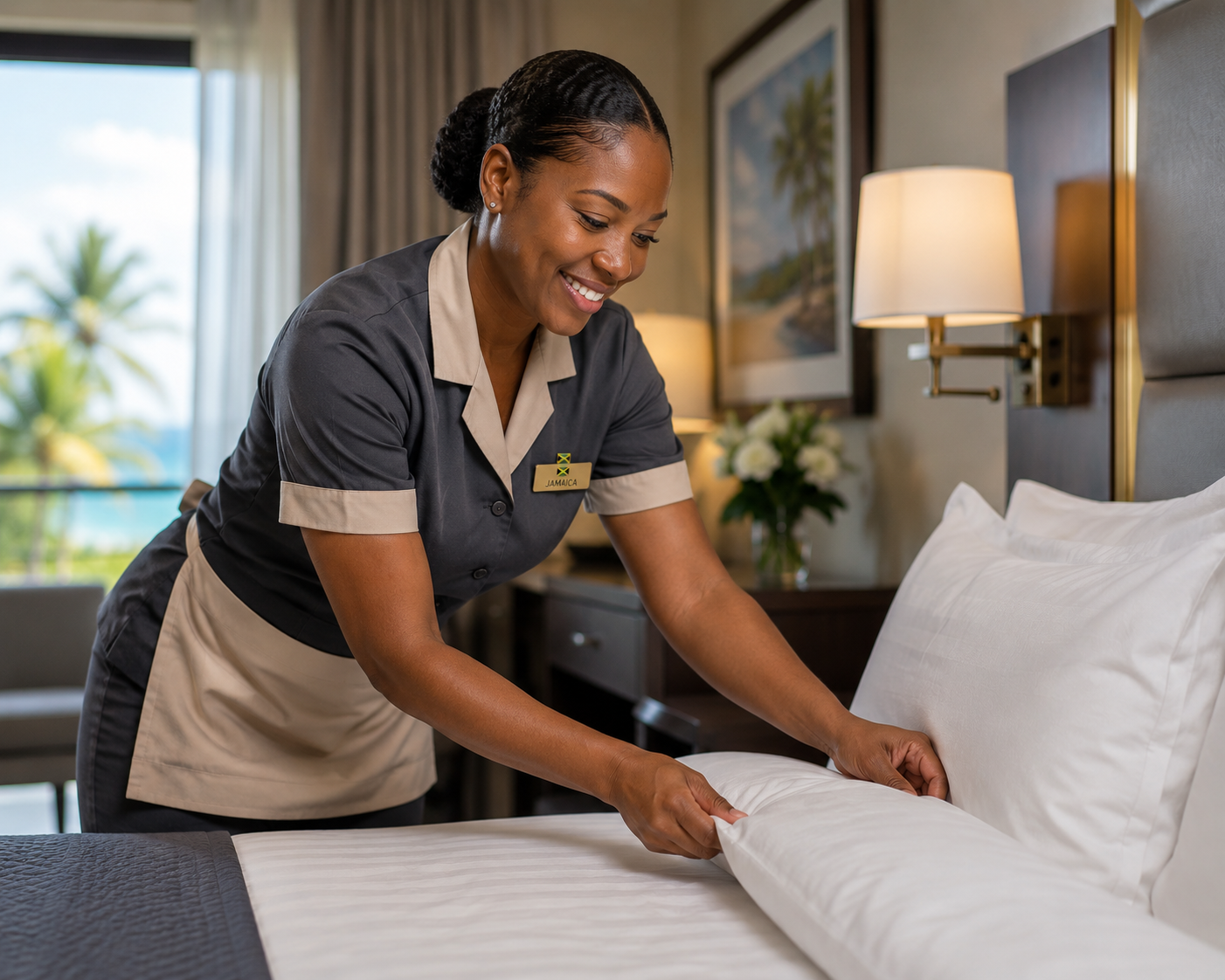
As the H-2B programme becomes increasingly competitive, Jamaica continues to maintain a strong position across the United States labour market. Employers are filing earlier, requesting returning workers, and placing greater value on professionalism, reliability, and service culture. In industries built on customer experience and operational consistency, Jamaican workers continue to distinguish themselves. Increasingly, the advantage is not only labour supply, but the reputation Jamaican workers have built over time.
Competition within the H-2B programme has intensified significantly in recent years, placing greater pressure on employers to secure workers earlier and maintain stable labour pipelines ahead of peak operational seasons.
Across the United States, industries such as hospitality, landscaping, construction, housekeeping, food services, and recreation continue to depend heavily on temporary non-agricultural workers to meet seasonal demand. At the same time, the programme has become increasingly constrained by visa caps, filing timelines, and growing international competition for placements.
In March 2026, U.S. Citizenship and Immigration Services confirmed that the statutory H-2B cap for the second half of the fiscal year had already been reached, effectively closing the filing window for many employers seeking workers for the spring and summer seasons.
Against that backdrop, Jamaica has continued to maintain a strong and highly visible presence within the programme.
According to FY 2024 H-2B statistics published by the United States Department of Labor, Jamaica ranked among the leading countries participating in the programme for both male and female visa issuance. Jamaican women accounted for 6,041 H-2B visas issued during the reporting period, while Jamaican men accounted for 5,429 visas.
The figures reinforce Jamaica’s continued importance within sectors that depend heavily on customer interaction, adaptability, and operational consistency.
Within accommodation and food services alone, thousands of H-2B visas were connected to hospitality-related occupations, including housekeeping, restaurant operations, food service support, and guest services.
“Our workers bring a unique energy into these environments,” said Colette Roberts Risden, Permanent Secretary in the Ministry of Labour and Social Security with Special Assignment for the Overseas Employment Programmes. “Jamaicans are naturally people-oriented. They bring warmth, personality, professionalism, and strong interpersonal skills into workplaces, especially within hospitality and service industries where customer interaction matters.”
Risden noted that Jamaica’s global tourism reputation continues to shape the quality and preparedness of workers entering overseas employment programmes.
“Jamaica is recognised internationally as one of the leading tourism destinations in the world,” she said. “Many of our workers already come from environments shaped by customer service, tourism operations, and hospitality standards. That culture of service excellence becomes a major advantage when they enter international work environments.”
The data also reflects the breadth of Jamaican participation across the wider H-2B economy. Landscaping and groundskeeping remained the single largest occupational category among male H-2B workers globally, accounting for more than 57,000 visas issued during FY 2024, while hospitality, recreation, housekeeping, food services, and construction-related occupations also accounted for substantial portions of the programme.
For employers operating in increasingly competitive labour markets, those qualities matter. Businesses are prioritising workers who can integrate quickly into customer-facing environments, maintain operational standards, and perform consistently during high-demand periods.
That reality has increased the value placed on returning workers and workers with strong programme records. Employers are filing earlier, competing more aggressively for placements, and increasingly requesting workers they already know and trust.
The reputation Jamaican workers now carry within the H-2B system has been built over years of professionalism, adaptability, and long-standing employer relationships developed across industries and across seasons.
And as competition within the programme continues to increase, those qualities continue to distinguish Jamaica within one of the most competitive temporary labour systems in the United States.
Share this article
Other articles

August 31, 2026
June 2, 2026
May 7, 2026

May 7, 2026

April 14, 2026

April 14, 2026
April 14, 2026


