

When the Season Won’t Wait
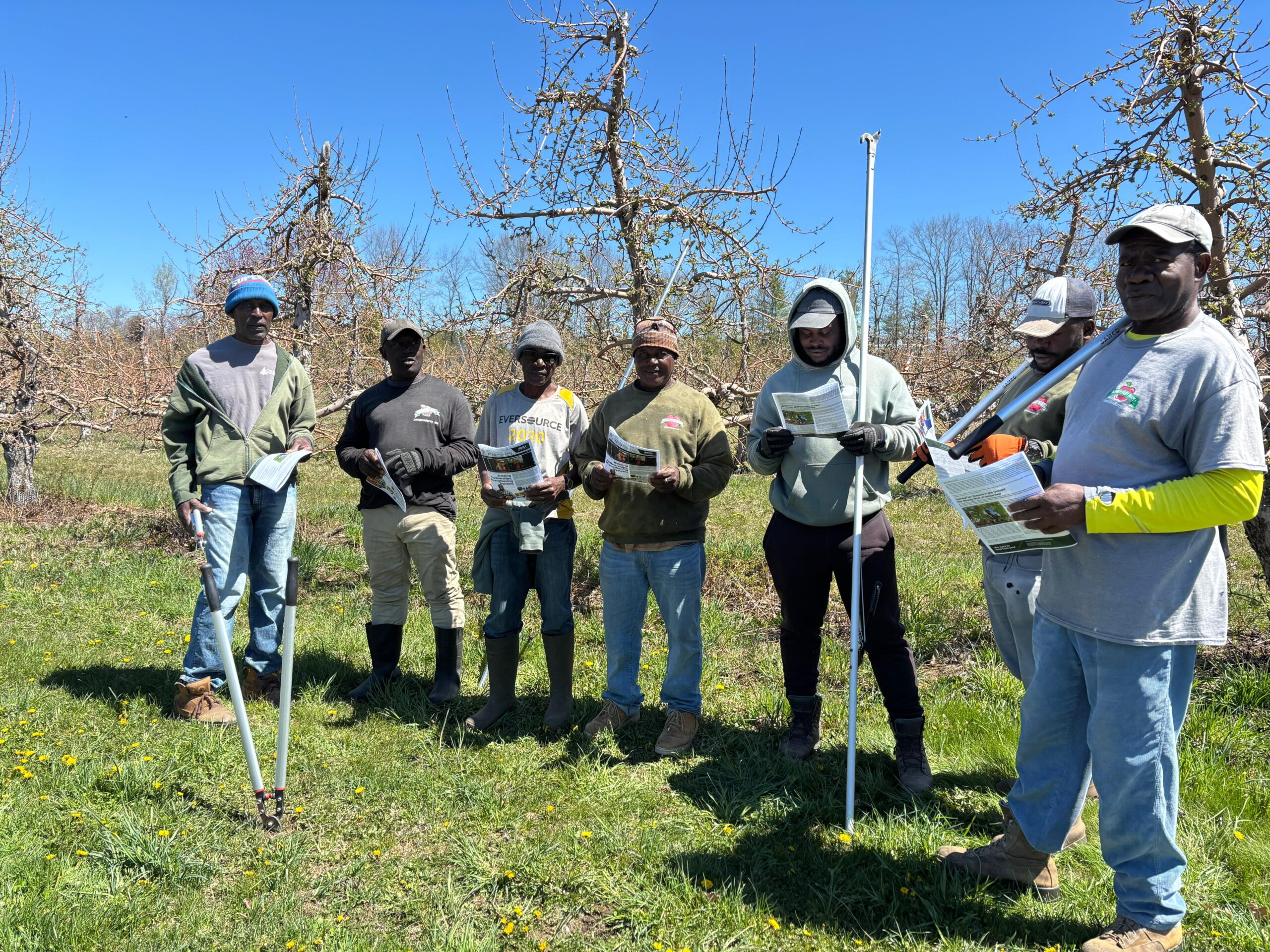
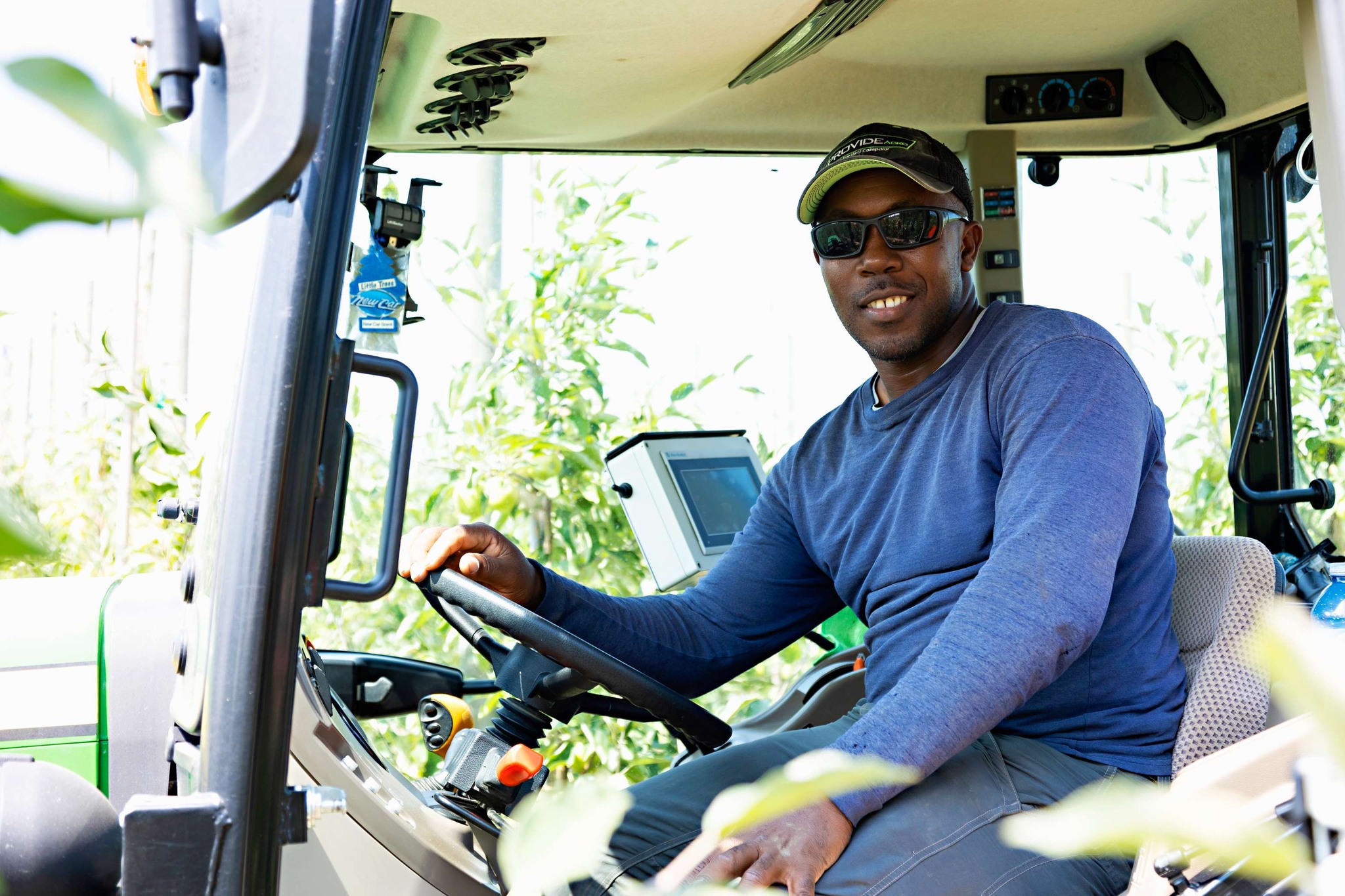
For roughly 438 employers and almost 6000 Jamaican H-2A and H-2B workers each year, timing matters. Inside the Overseas Employment Centre, petitions, visa processing, embassy appointments and flights must align with something far less flexible: the season waiting on the other side.
By the time a Jamaican farm worker arrives in the United States for the August harvest, a clock has already been running for weeks.
An employer is waiting for labour, a crop is approaching maturity, an immigration petition has moved through the system, and a worker in Jamaica is waiting for the call that will begin the final journey to the job.
At Jamaica’s Overseas Employment Centre, Sherene Watson and her team operate where those timelines meet. The Centre processes thousands of workers annually for employers, an operation that becomes particularly intense when seasonal demand peaks.
Once an employer’s approved I-797 petition and job order are received, workers are contacted and scheduled for visa processing within three to five working days. Passports then move to the U.S. Embassy, and once returned, employers or their agents arrange flights before workers complete pre-flight orientation and depart.
“We understand that when an employer needs workers, there is usually a reason behind that timing,” said Watson, who is responsible for the U.S. H-2A and H-2B programmes. “In agriculture, crops have to be planted and harvested within particular periods, and in hospitality, employers need adequate staffing when their season begins.”
The Centre’s calendar reflects those industries. H-2B processing, driven heavily by hospitality, peaks between February and the end of April, while H-2A agriculture intensifies from late July into early September.
During the agricultural peak, speed can carry real economic consequences. Some workers travel earlier to help establish seedlings and prepare for the season. By harvest, employers need larger numbers on the ground to pick crops at the appropriate time, move produce into storage or get it to market.
“If the crop is not harvested at the proper time, there can be spoilage and the employer may lose produce that should have gone to market,” Watson said. “That is why employers ask us to process workers as quickly and efficiently as possible.”
Late petitions can compress the timeline even further, sometimes requiring workers to report for processing the following day. Weather can shift planting and harvesting schedules, while hurricanes and other disruptions can affect both agriculture and hospitality. Summer airline fares add another pressure as employers try to secure reasonable travel costs while getting workers to the job on time.
For the worker, the process ends with a flight and a season of work ahead. For the employer, the arrival may mean having enough hands when the harvest is ready or enough staff when customers begin arriving.
At East Street, between those two needs, the clock keeps moving.
Share this article
Other articles
August 31, 2026

June 2, 2026
May 7, 2026

May 7, 2026

April 14, 2026

April 14, 2026
April 14, 2026


